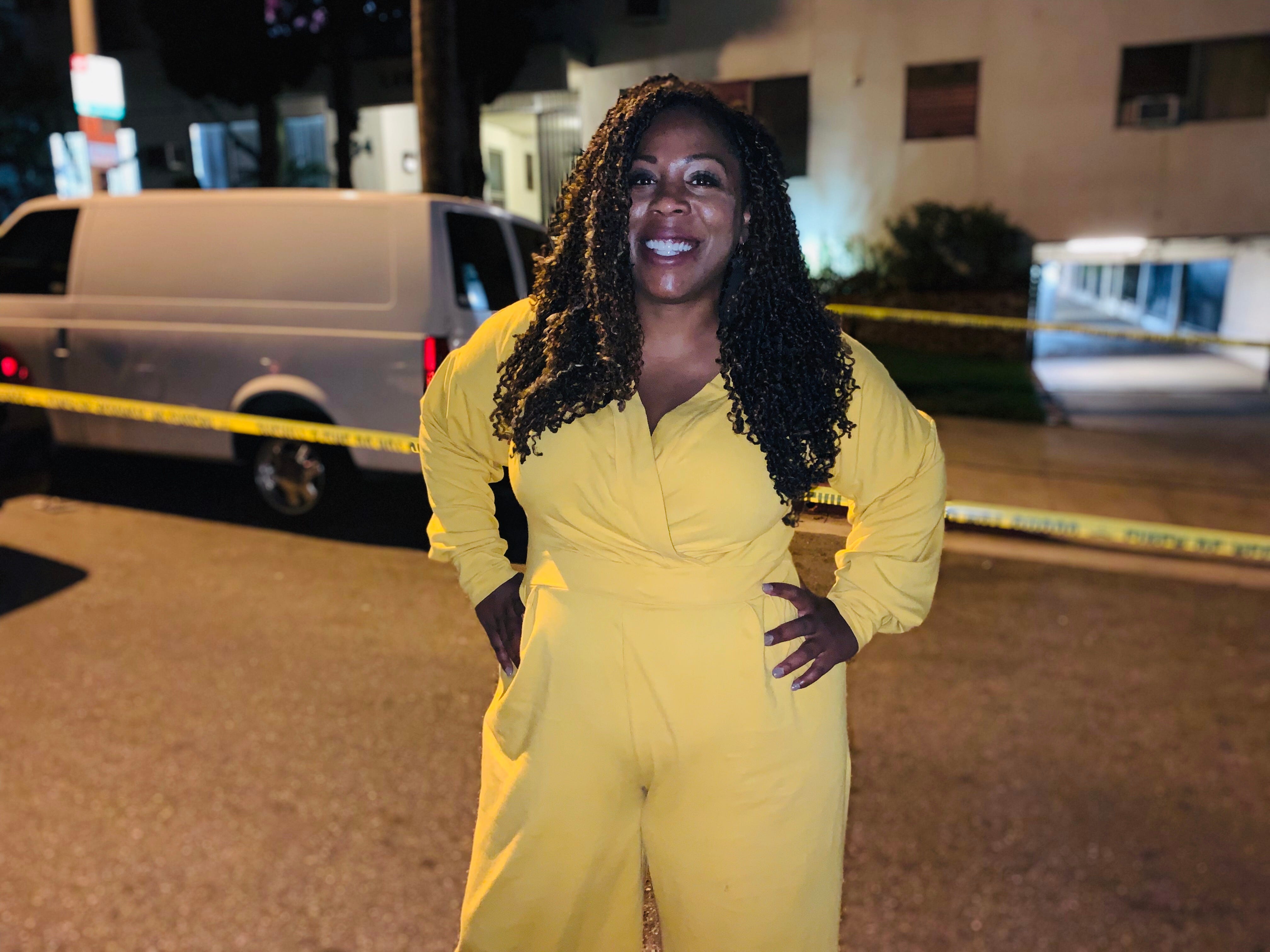
This is for me.
I’m sharing it publicly, yes. But make no mistake — this is for me.
For nearly nine years I have carried this story, this fight, this responsibility in ways that most people will never fully see or understand. I have written about it, talked about it, pushed it into rooms where people were uncomfortable hearing it, and stayed with it long after the headlines faded and the attention moved on.
And somewhere along the way, I realized that in all the work of documenting what happened to others, I hadn’t really stopped to document what this journey has been for me.
So this is me doing that.
Not for credit. Not for applause. Not because I need anyone’s permission to tell my own story. But because when you spend nearly a decade of your life in a fight like this, you owe it to yourself to acknowledge what it took to stay in it.
The wins.
The losses.
The exhaustion.
The quiet moments no one sees.
This is simply me putting my own marker down in the story of a fight that changed my life.
The Quiet Part of Doing This Work
When I first started down this road seeking justice for the victims of Ed Buck, I had no idea I was stepping into something that would stretch nearly nine years of my life.
Nine years.
Back then, it felt like a story that needed to be told, a wrong that needed to be confronted. I was doing what I do as a journalist—asking questions, pulling at threads, trying to understand how a young Black gay man could die in a powerful political donor’s apartment and somehow the world was supposed to just…move on.
But justice has a way of taking up residence in your life when you decide you’re not going to look away.
Over the years leading up to today, my life kept moving in every direction imaginable while this fight quietly sat at the center of it all. I lost family members. Friends died. I moved from my thirties into my forties. I had a hysterectomy. I fought personal battles and professional ones—the kind of battles that have taken stronger people than me completely out of the game.
And through all of it, I did it largely alone.
No partner at home to talk to at night.
No one to sit on the couch with after a long day in court.
No one to show up, hold space, or help carry the emotional weight of it.
People don’t talk about that part enough. What it means to fight for something publicly and then go home privately to silence. Victories feel different when there’s no one there to celebrate with you. Losses feel heavier when you’re carrying them by yourself.
But the work still had to be done.
Understanding the Assignment
At some point along the way, I realized reporting on the case alone wasn’t enough. The circumstances forced me to move from simply documenting what was happening to advocating for the victims and their families. And honestly, why wouldn’t I?
I work in politics. I’m active in the Democratic Party. Ed Buck was a Democratic donor. He gave money to many of the same political figures and institutions that I engage with every election season. I had access to those spaces, those conversations, those rooms.
And as a strategist, I understood something early on: this case wasn’t just a criminal story. It was a political story. It was a cultural story. It was a community story.
It needed pressure on multiple fronts.
It needed to be reported on.
It needed to be addressed in political circles.
It needed to be lifted up in the Black community.
It needed to be lifted up in the gay community.
It needed people refusing to let it disappear.
This case sat at the intersection of so many parts of my life—journalism, politics, community advocacy—that stepping into it fully almost felt inevitable.
So I did.
Humility Is Not Erasure
While some people were busy trying to turn the story into movie deals or positioning themselves to take credit for work they never actually did, I stayed doing the work. Quietly. Consistently. For almost nine years.
People love to say “be humble.”
And I am.
But humility does not mean allowing yourself to be erased from your own life story.
This case took nearly a decade of my life. I lived it. I carried it. I fought through it. And I refuse to let anyone write me out of that history.
Over time, many of us working on this case grew up together in a strange way. We were adults trying to figure it out as we went, bound together by a shared conviction that what happened to these men was wrong and that Ed Buck needed to be stopped and held accountable.
There was no money behind this work.
No big funders.
No institutional backing.
No glamorous infrastructure.
Just people who believed something deeply enough to keep showing up.
For poorer and poorer, honestly. Because when you’re doing this kind of work without resources, it costs you—financially, emotionally, professionally.
But we stayed with it.
The Lawyers Who Wouldn’t Let It Die
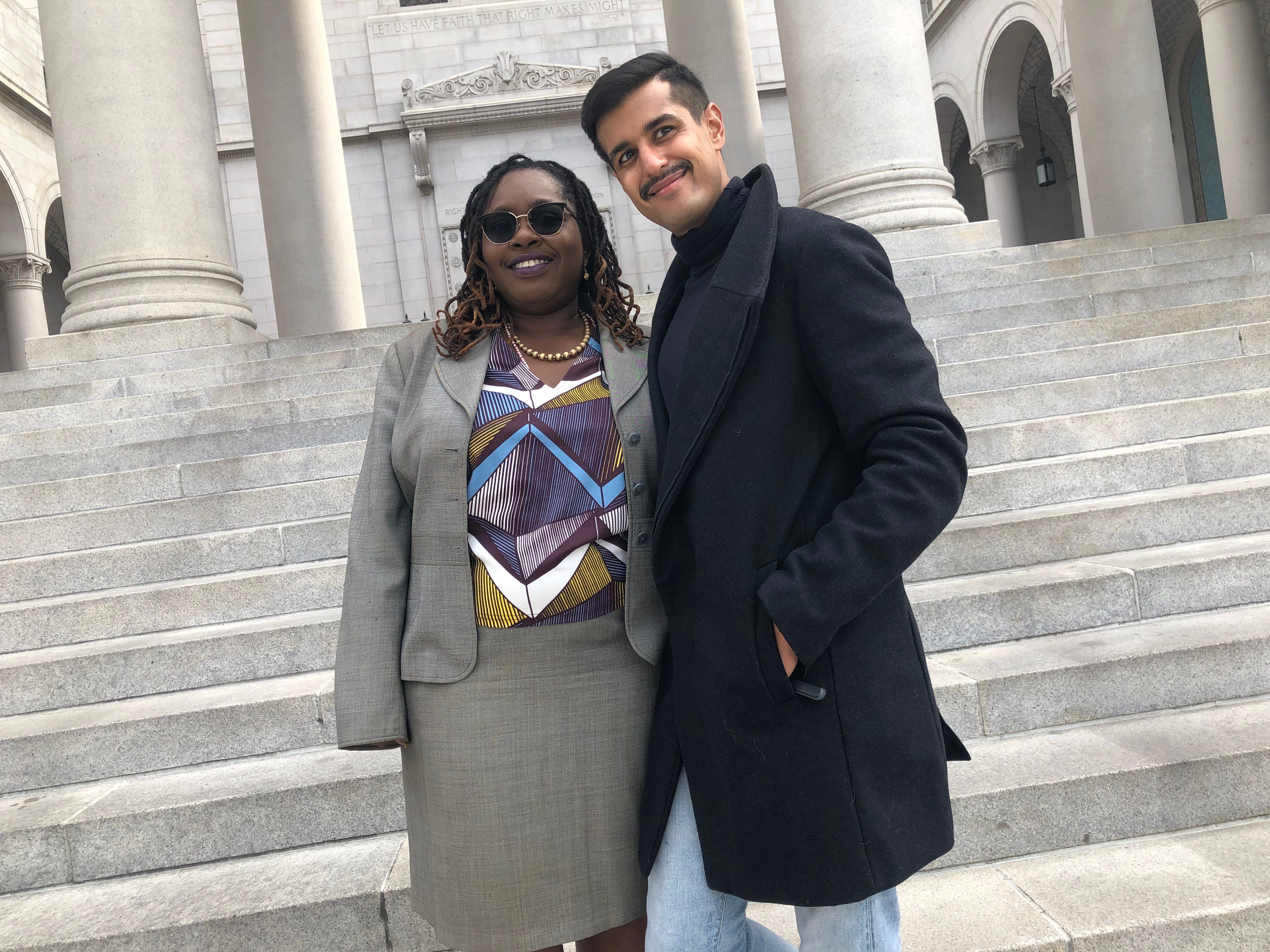
One of the things I’m most proud of in this entire journey is bringing together two of the best, most brilliant, and dedicated attorneys to work on this fight—attorneys who had no real incentive to take on this work. Nana Gyamfi and Hussain Turk.
No promise of big paydays.
No guarantee of success.
No institutional backing waiting in the wings.
Just a complicated, painful case that most people—especially smart lawyers who understand the odds—would have politely declined.
But they didn’t.
They said yes.
And saying yes meant stepping into something that would cost them too.
Because people love to talk about justice like it’s this clean, noble thing. But the reality is that fighting for justice—especially when you’re up against power, money, and influence—is messy, exhausting, and expensive.
These attorneys poured years of their professional lives into this case.
Hours and hours of legal work that no one was guaranteeing they would ever be paid for.
Late nights preparing filings.
Endless court appearances.
Depositions.
Motions.
Arguments.
And that kind of work doesn’t just cost time. It costs money.
We were David in the story of David and Goliath.
Law firms like Buck’s have overhead. Staff. Research. Filing costs. Travel. Experts. Every hour spent fighting a case like this is an hour that could have been spent on work that actually pays the bills.
But they stayed with it.
And the cost wasn’t just financial.
Carrying a case like this is emotionally heavy work. You’re dealing with the deaths of young men. You’re sitting across from grieving families and traumatized victims. You’re reading evidence that most people would rather never have to see. And you’re doing it while fighting a legal battle that stretches on for years with no guarantee of where it will end.
That kind of work takes something out of you.
But they never treated this case like it was just another file on a desk.
They fought like hell.
They kept these cases alive in the courts when it would have been far easier—and frankly far more profitable—to walk away and move on to something else.
They argued their asses off.
And together, through years of persistence, pressure, grief, exhaustion, and a stubborn belief that these lives mattered—we kept pushing forward.
Because sometimes justice only happens because a small group of people decide they’re not going to let a story disappear.
This Work Was Never Mine Alone.
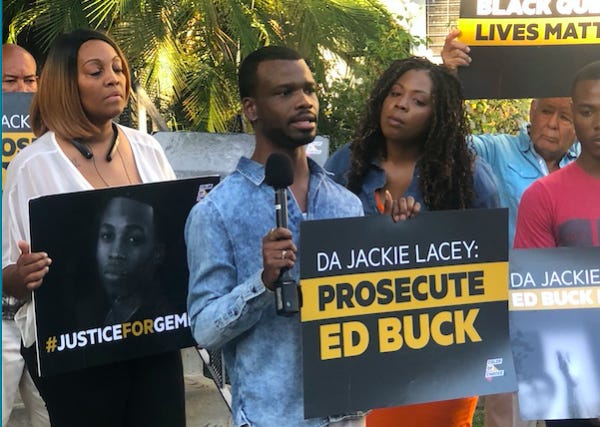
One thing I want to be clear about is that none of this work happened in a vacuum. For nearly nine years, this fight was carried not just by a handful of people directly involved in the case, but by a community that refused to let these men be forgotten.
Community members showed up to rallies when the story was barely being covered. They showed up to press conferences. They amplified the truth when it was easier for institutions to stay quiet. Activists, organizers, journalists, and everyday people helped keep pressure on systems that too often move slowly—or not at all—when the victims are Black and gay.
The Black community and the Black LGBTQ community in particular understood the stakes early on. They knew what it meant that young Black men were dying under these circumstances and that the system initially treated it like it was just another tragic but unremarkable story.
So people spoke up.
They asked questions.
They pushed back.
They refused to let the narrative disappear.
Over the years I’ve had countless conversations with community members—some public, many private—who shared information, insights, and support that helped keep this fight moving forward. Some of them were advocates who had been sounding alarms long before the rest of the world started paying attention.
And through it all, the community kept showing up.
Not for attention. Not for recognition. But because people understood that what was happening was wrong and that justice rarely moves unless communities push it to move.
That collective pressure mattered more than people probably realize.
Because when systems see that people are watching, when they see that communities are paying attention, when they see that the story isn’t going to quietly disappear—that changes things.
And for nearly nine years, this community made sure it didn’t disappear.
The Trust They Placed in Me.
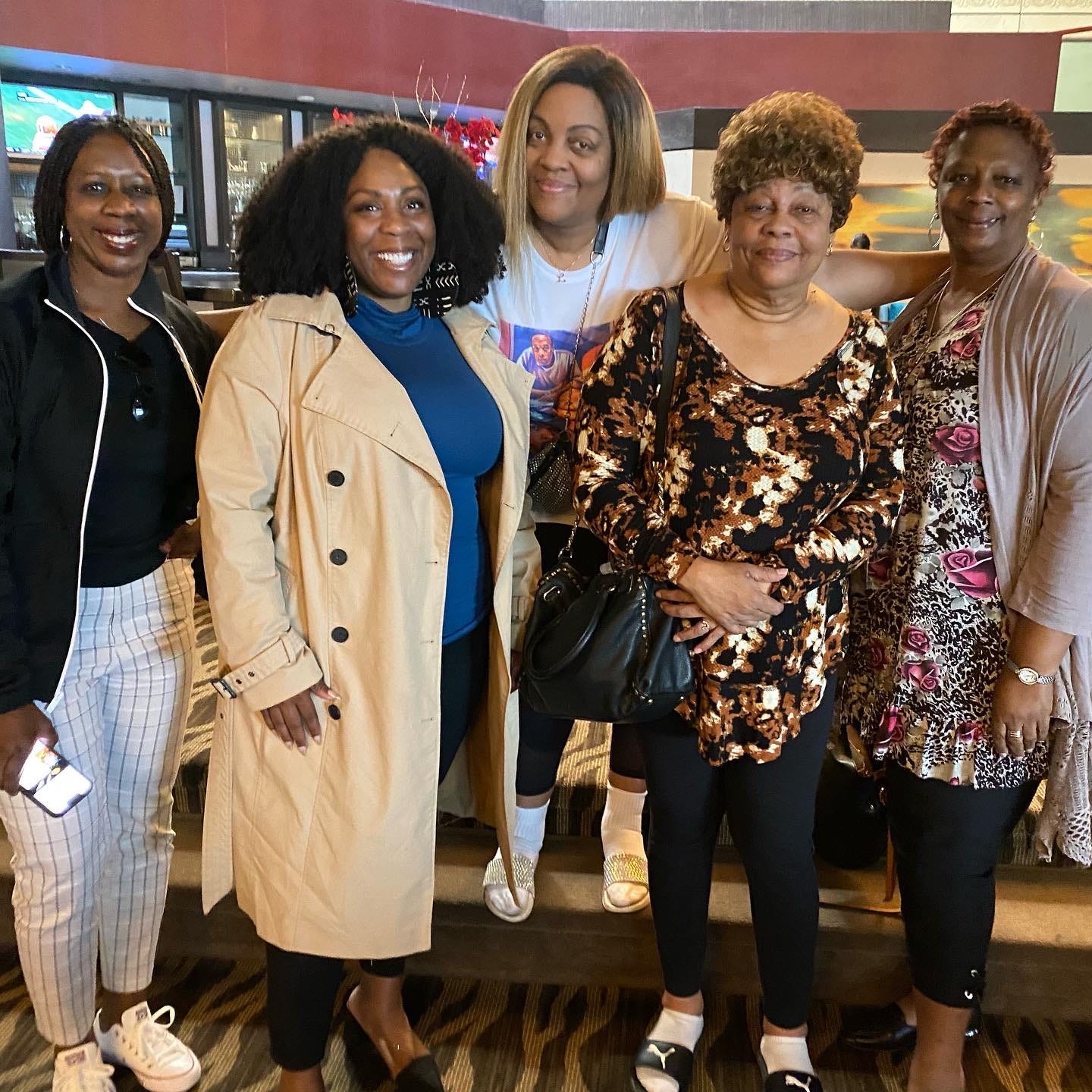
One of the things I carry with me the most from this journey is the trust the families and the victims themselves placed in me.
And trust is not a small thing when you’re talking about grief, trauma, and justice.
These families had every reason in the world to be skeptical. They had already watched systems fail their loved ones. They had watched powerful people try to minimize what happened. They had watched the media cycle move on while their pain stayed very real and very present.
So the fact that they trusted me—with their stories, with their loved ones’ names, with their anger, their grief, their hope—that is something I will never take lightly.
But it wasn’t just the families.
There were also victims who trusted me in quieter ways. People who had survived their experiences with Ed Buck. People who did not want to be in the public eye. People who were not looking for attention, interviews, or headlines. In many cases, they were trying to rebuild their lives and stay as far away from the spotlight as possible.
And yet they trusted me.
They trusted me with their stories.
They trusted me with details that were painful to revisit.
They trusted me with information that helped connect the dots and move this fight forward.
They didn’t want to be on camera. They didn’t want to be dragged through the public conversation. They simply wanted the truth to come out and for someone to help make sure what happened to them—and to others—didn’t just disappear.
That kind of trust is sacred.
When people lose someone in a situation like this, they are not just dealing with death. They are dealing with shame that gets unfairly attached to their loved one. They are dealing with rumors, speculation, and strangers talking about the worst day of their lives as if it’s entertainment. They are dealing with systems that often treat their loved one like a footnote instead of a person.
And yet these families opened their doors to me.
They let me into their homes.
They trusted me with phone calls late at night.
They trusted me to speak their sons’ names in rooms they couldn’t always access.
They trusted me to tell the truth about what happened, even when it was uncomfortable for people in power.
That kind of trust changes how you move.
It means you don’t get to treat the work casually. You don’t get to chase headlines or clout. You don’t get to disappear when life shows up and things get hard. When someone hands you their pain and asks you to help carry it forward, that responsibility stays with you.
And over the years, what started as a professional relationship turned into something deeper. These families—and some of the victims who trusted me with their stories—became people I checked in on, worried about, celebrated small wins with, and mourned with when the weight of it all felt overwhelming.
I still keep in touch with many of them.
Because once someone trusts you with something that personal, that painful, that important—you don’t just walk away from that.
Their sons were not just “cases.” They were young men with families who loved them deeply. Mothers. Fathers. Grandmothers. Siblings. People whose lives were forever altered.
The least I could do was honor the trust they placed in me by staying in the fight.
Even when it was exhausting.
Even when it was lonely.
Even when the road to accountability seemed impossibly long.
Their trust is one of the reasons I never walked away.
Why I Stayed.
Nine years is a long time to stay in a fight.
Long enough for life to change around you in ways you never expected. Long enough to lose people you love. Long enough to question whether any of it will ever matter. Long enough for the world to move on while you’re still showing up, still pushing, still refusing to let something disappear.
But that’s what this work required.
It required people who were willing to stay long after the cameras left. Long after the headlines faded. Long after it stopped being a trending topic or a conversation people wanted to have.
This fight was never about attention. It was about accountability. It was about the lives of Black gay men who too often move through this world as if their lives don’t matter unless someone forces people to pay attention.
And for nearly nine years, a small group of us did exactly that.
Families trusted me with their grief. Victims trusted me with their stories. Attorneys stepped into a fight that had no guarantee of reward. People in the community kept pushing even when it felt like no one was listening.
All of that trust mattered.
And it’s the reason I stayed.
Not because it was easy.
Not because it was glamorous.
Not because it came with applause.
But because the truth deserved to be told.
Because these men deserved to be remembered.
And because accountability should never depend on whether a story is convenient for people in power.
Nine years later, I’m proud of the work we did.
Proud of the people who stood in it with me.
Proud of the families who refused to let their sons be forgotten.
Proud that we pushed long enough for the truth to finally catch up.
This fight took nearly a decade of my life.
And if I had to do it again knowing what it would cost, I would still choose to stay.
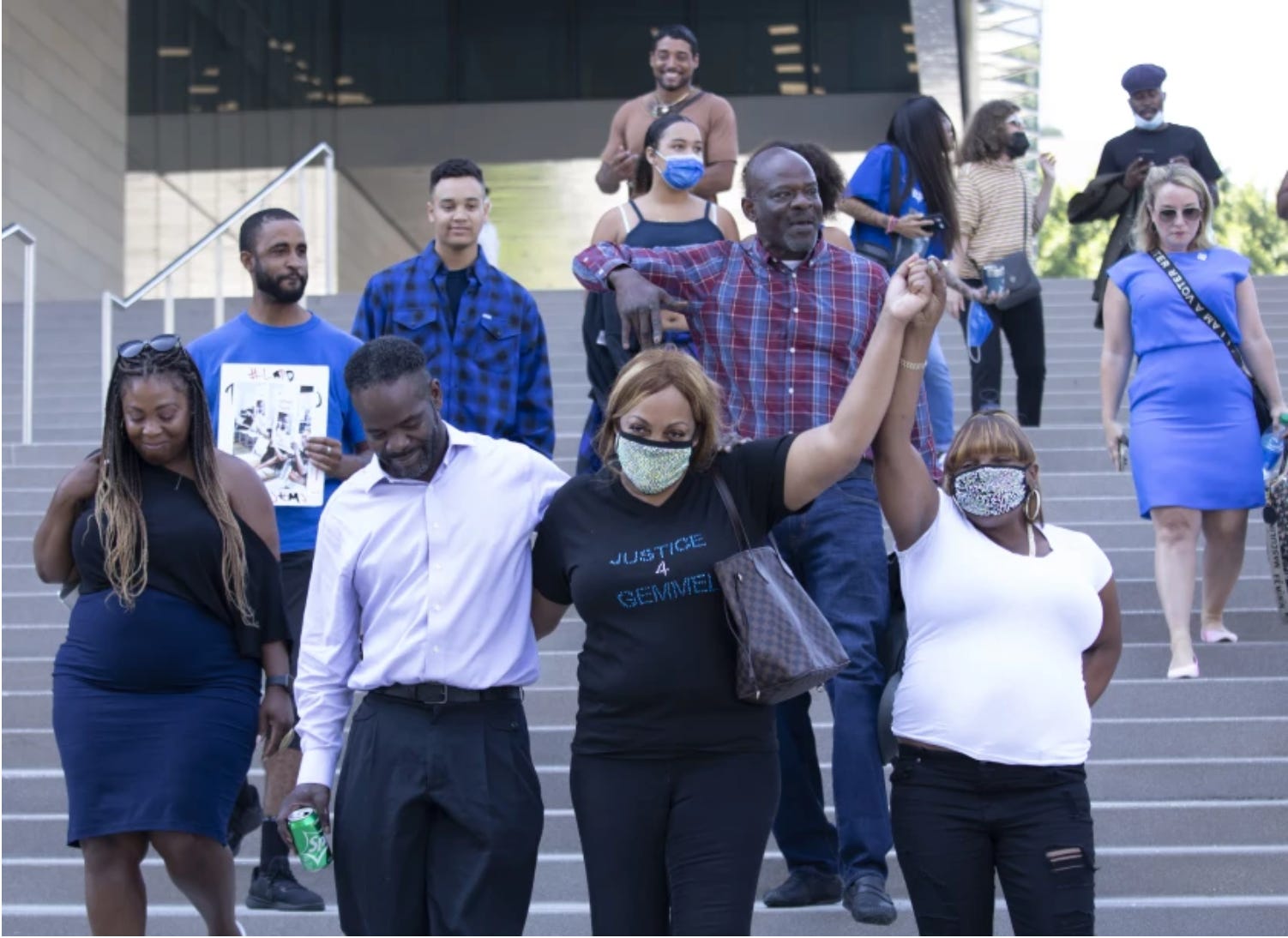
Wednesday’s victory is as much for Gemmel Moore and his family and friends as it is for Star, Cody, Timothy, Dane, and all of Ed Buck’s victims.